
The Interrogation of Hector MacQueen
Murder on the Orient ExpressHector MacQueen, Ratchett's secretary, is the first to be interviewed; his hidden connection to the Armstrong case and his role in the conspiracy slowly emerge.
increasing Bearing strength in each event
 decreasing
Bearing strength in each eventdecreasingThe Secretary's Story
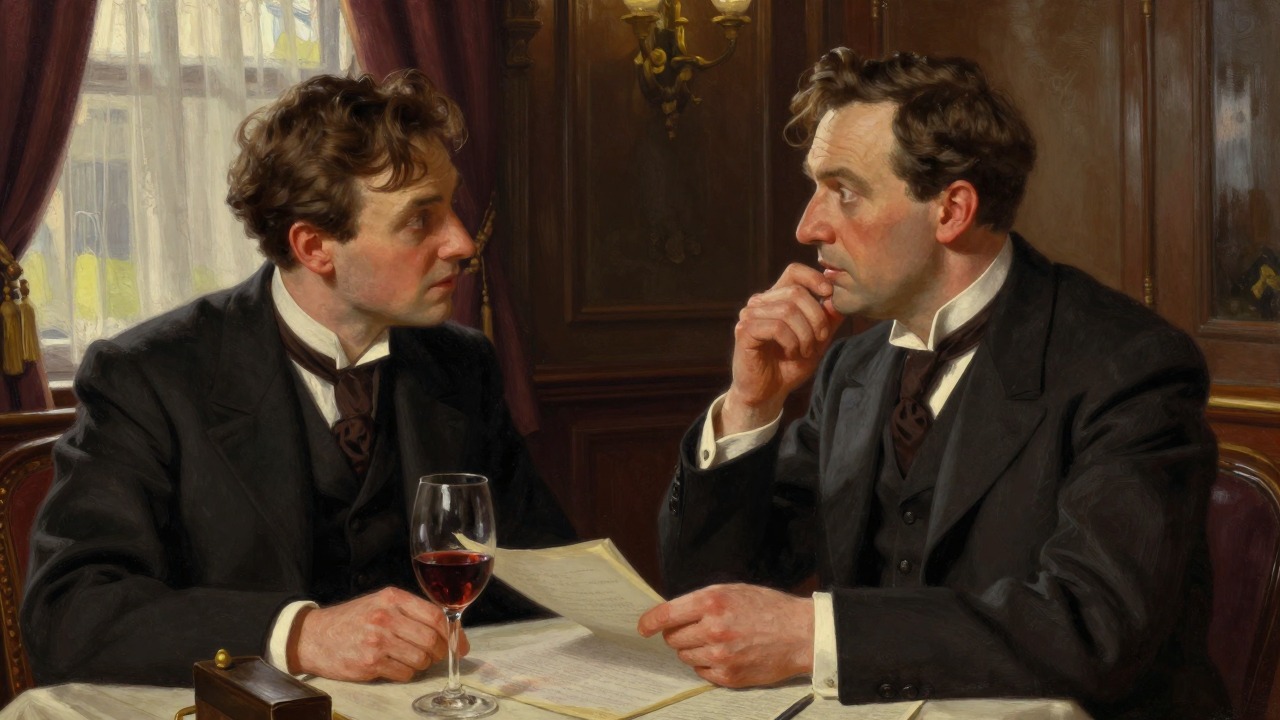
The Secretary's Story
The Initial Meeting
Hector MacQueen is called to the dining car and questioned by Poirot. He explains that he has been Ratchett's secretary for a year, handling his correspondence. He admits to disliking his employer but denies any involvement in the murder.
The Threatening Letters
MacQueen produces two threatening letters that Ratchett received. He says they started a fortnight ago. Poirot notes that the letters are printed and likely written by multiple people, suggesting a conspiracy.
The Hidden Emotion
MacQueen seems relieved when he hears that Ratchett is dead. He says, "So they got him after all." This slip reveals his knowledge of the threats. He also mentions that his father was the district attorney in the Armstrong case, which gives him a strong motive.
The Second Interview
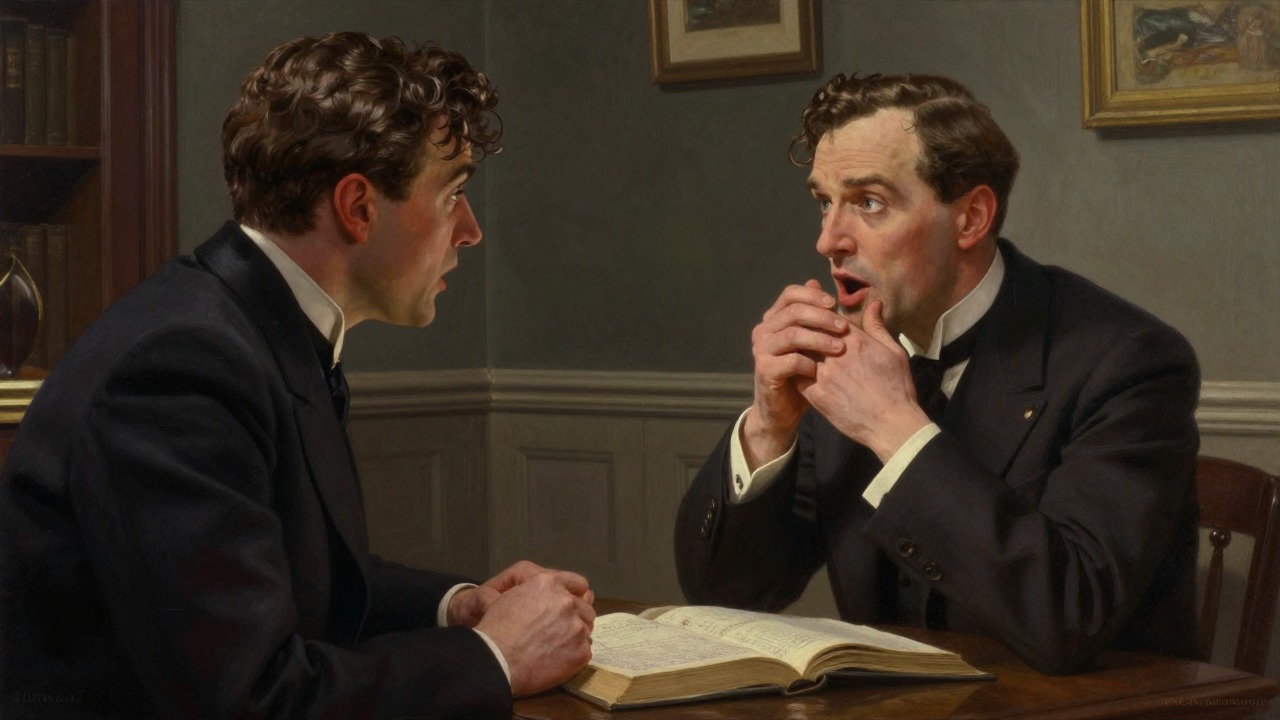
The Second Interview
The Confrontation
Poirot calls MacQueen again and reveals that he knows Ratchett is Cassetti. MacQueen is shocked and admits that he had no idea. He expresses his hatred for the man and says he would have killed him if he had known.
The Slip of the Tongue
Poirot notices that MacQueen almost said something about the charred note. He had started to say, "But surely—" before catching himself. This suggests that MacQueen knew about the note and its destruction.
The Act of the Conspiracy
MacQueen is a key member of the conspiracy. He was the one who planted the letters and who arranged for Ratchett to travel. He also took part in the stabbing. His role is crucial, but he maintains his composure.
MacQueen's Role in the Plot
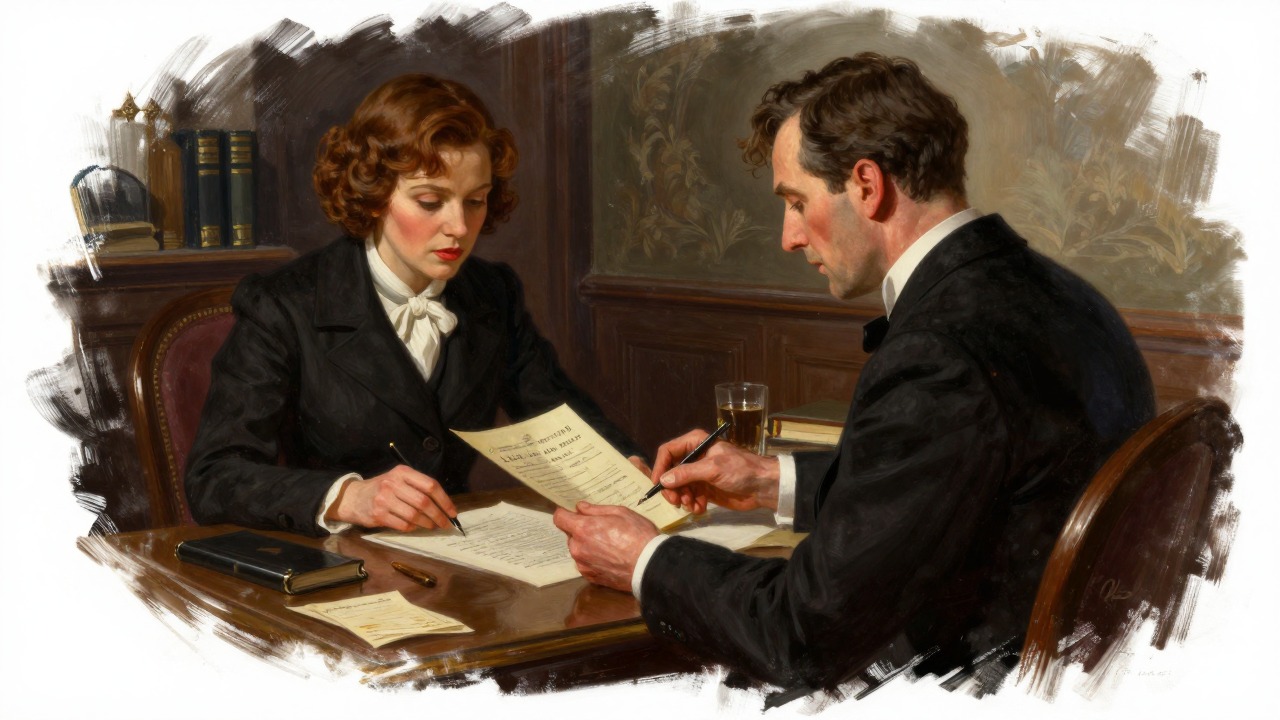
MacQueen's Role in the Plot
The Planner
MacQueen, along with Mary Debenham, worked out the details of the murder. He used his position as secretary to gain information about Ratchett's movements. He also helped create the phony threatening letters.
The Execution
On the night of the murder, MacQueen was one of the twelve. He entered the compartment and stabbed Ratchett. He then returned to his own compartment and pretended to be asleep.
The Aftermath
MacQueen continues to play his part during the investigation. He is calm and cooperative, but Poirot's questions rattled him. In the end, he is grateful for the outcome.
First interview, morning after murder
After Poirot discovers the Armstrong connection
During the planning and execution
